Solar Panel Kit

Solar Panel (30Watt) with Mounting Bracket

$125.00

About this product:

Solar panel designed to integrate with Altamus small and medium battery kits to provide reliable off-grid power for the EOS2 Scanner. Pre-wired connections simplify installation and ensure compatibility with Altamus power components.

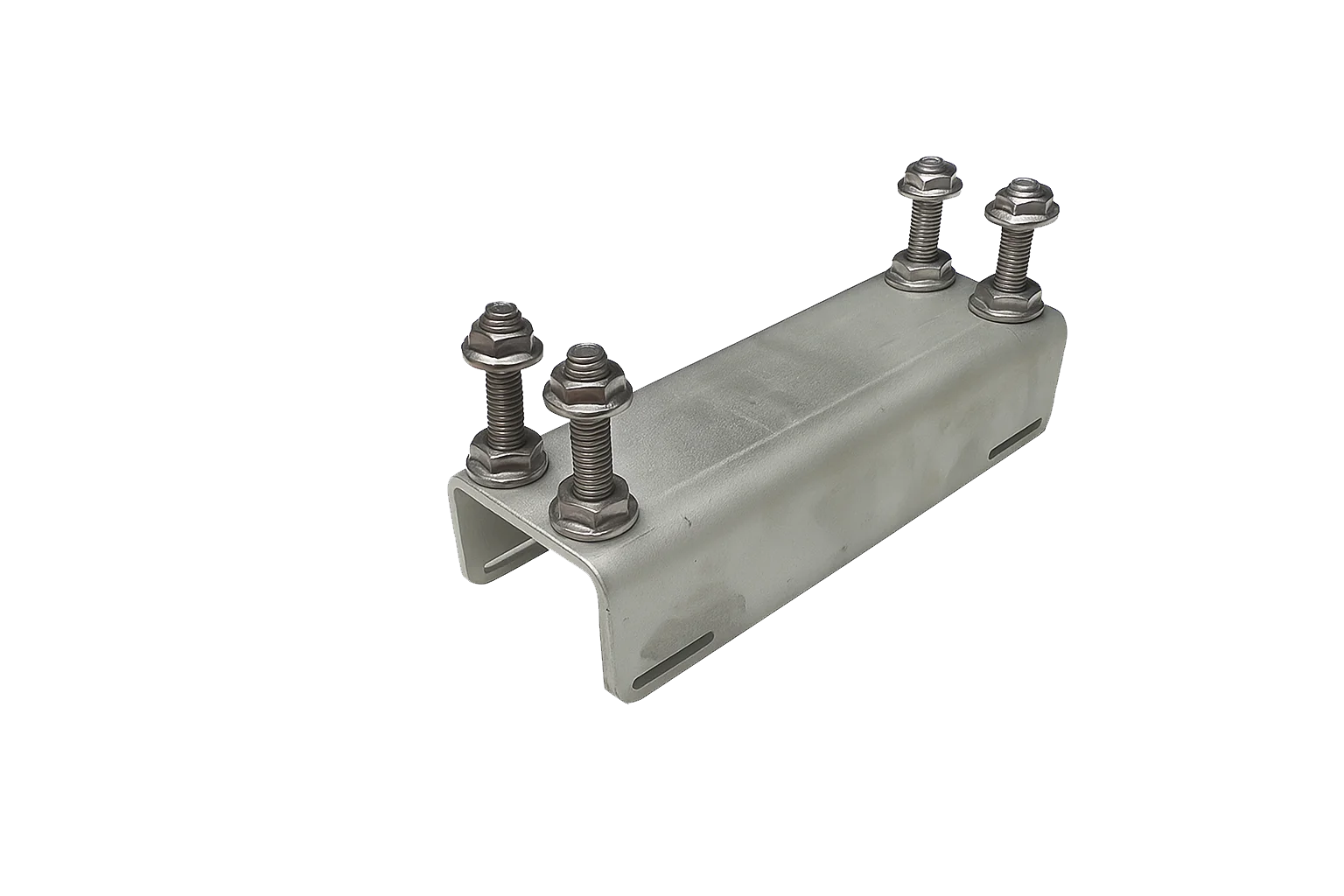
Supplied with mounting hardware for direct attachment to 1-1/4″ EMT, this kit is well suited for outdoor and industrial deployments.

Includes

  • One 12V 35W solar panel with mounting bracket

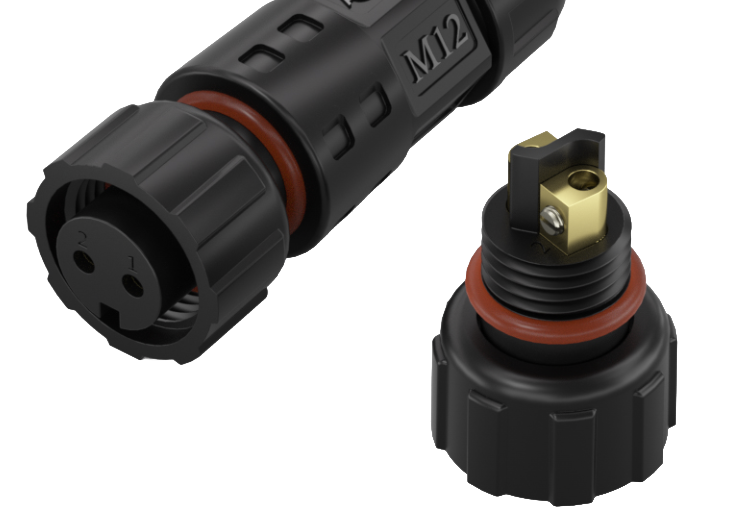
  • Pre-wired two-pin female AOHUA connector

  • Two hose clamps sized for 1-1/4″ EMT


Frequently bought together

MA90 T-Joint

$75.00
T Joint

MA90 Pole Adapter

$50.00
T-Joint to Pole Adapter

CradlePoint IBR200 LTE Router

$500.00

Wireless LTE to Wi-Fi router with long range antenna, pre-wired:...

CradlePoint IBR200 LTE Router

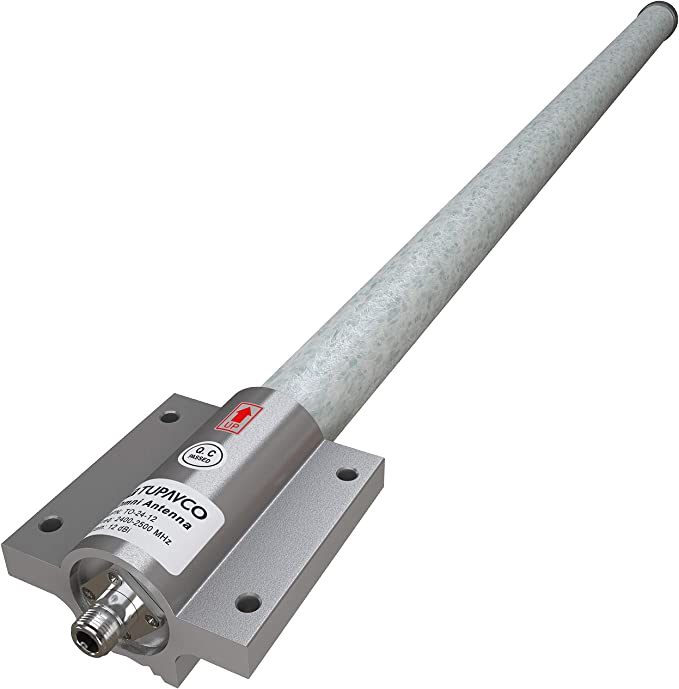
Outdoor Wi-Fi Antenna with SMA Adapter

$150.00
Outdoor Wi-Fi Antenna with SMA Adapter

10' EMT Wire Kit

$50.00

Two wires cut to length with waterproof connectors.

10' EMT Wire Kit

Field Connect Kit

$650.00

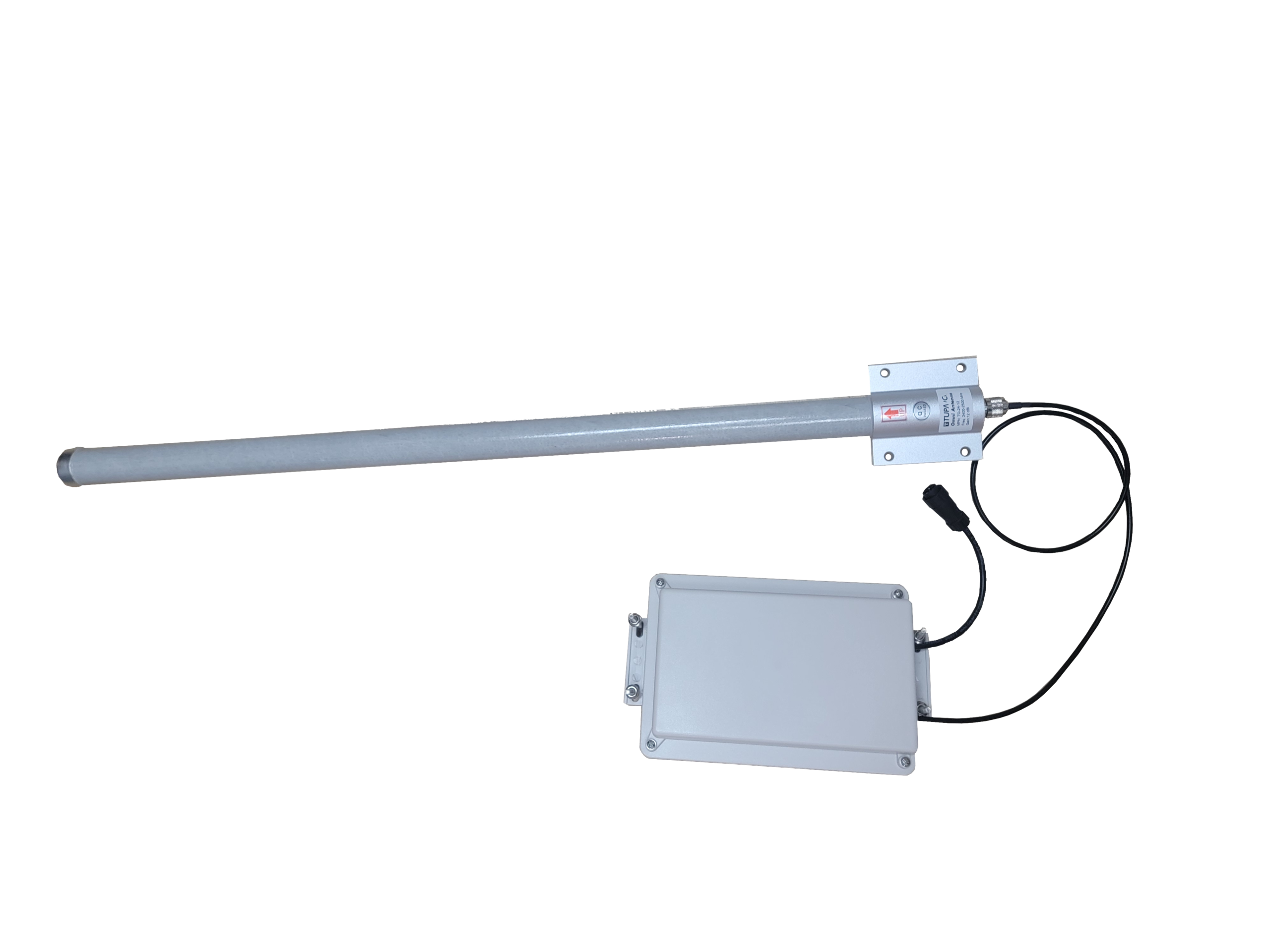
Long range antenna, pre-wired with Solar Panel Attached

Field Connect Kit

Small Battery Kit

$400.00
Small Battery Kit

Medium Battery Kit

$500.00
Medium Battery Kit

EOS2 Adapter Kit (pole)

$150.00

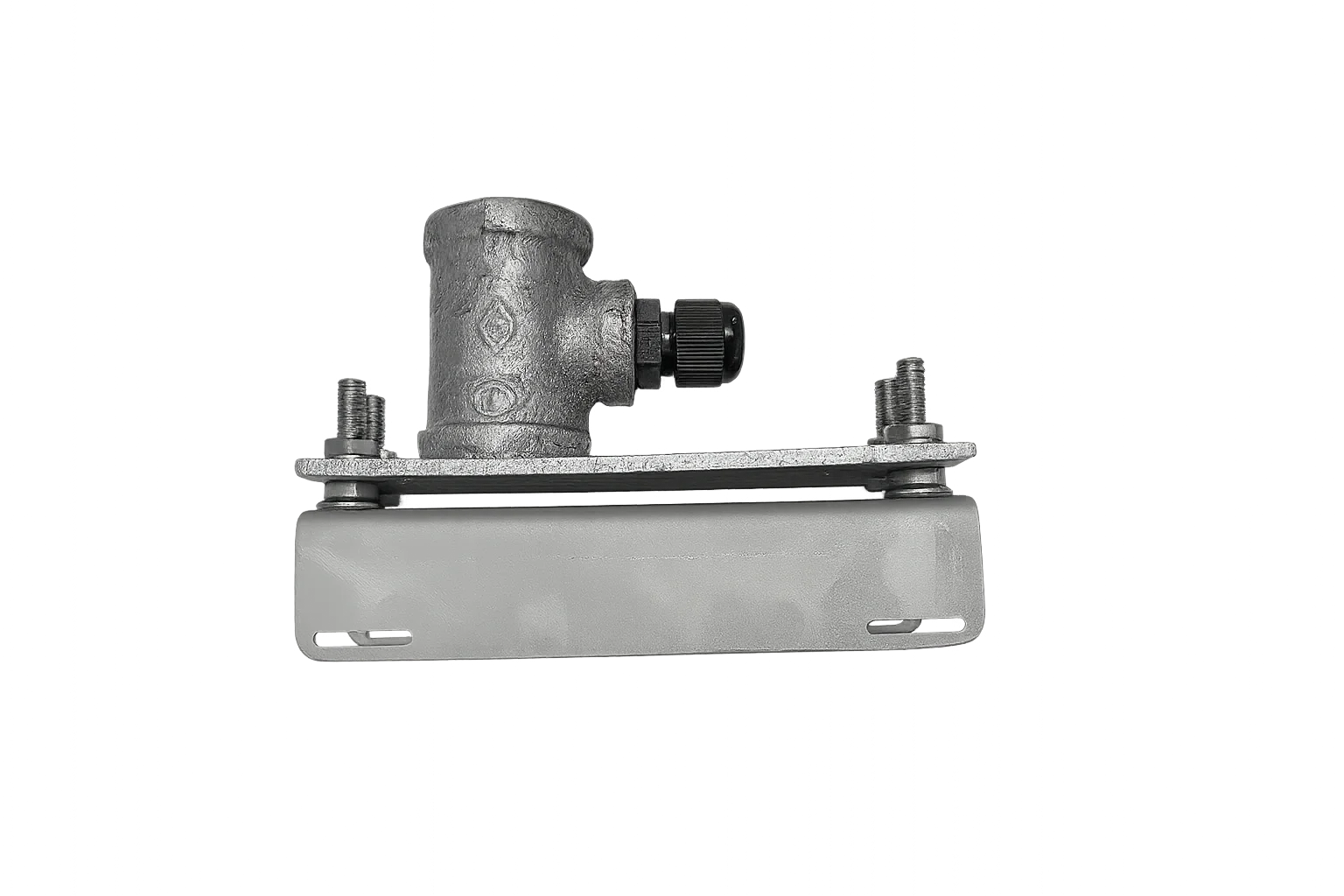
T-Joint, T-Joint to Pole Adapter

EOS2 Adapter Kit (pole)

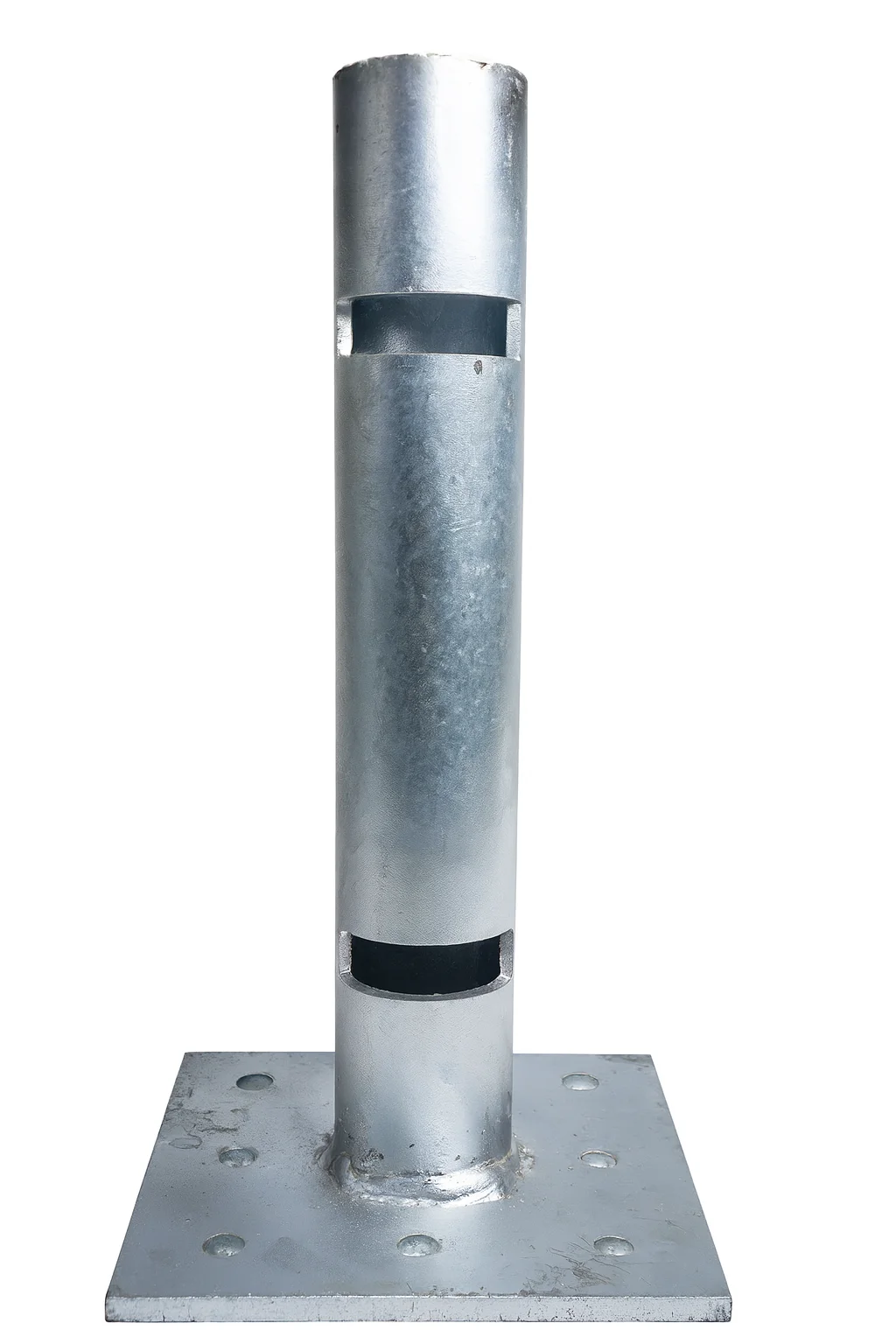
1-1/4" EMT Mounting Base

$75.00
1-1/4" EMT Mounting Base

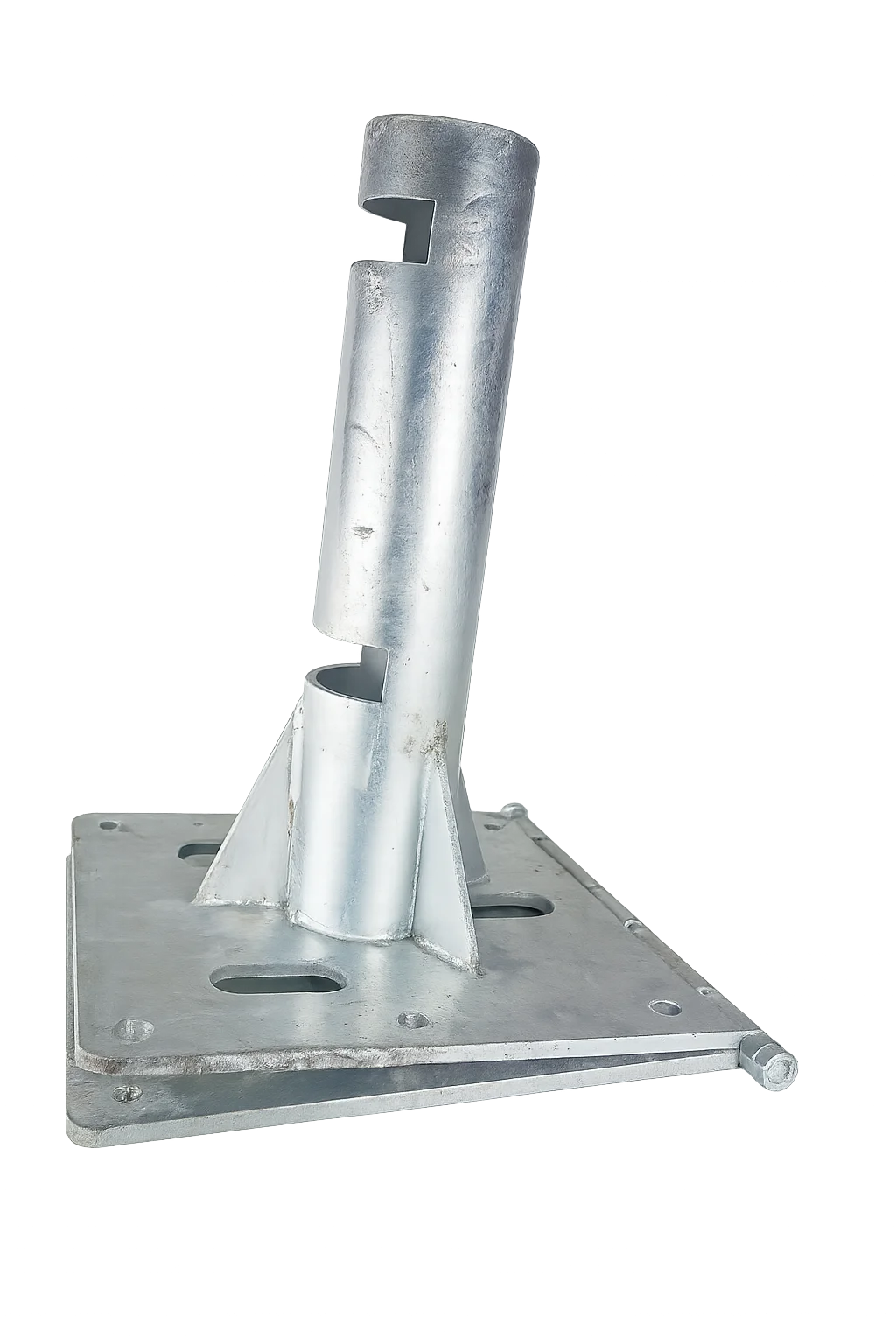
2" Hinged EMT Mounting Base

$300.00
2" Hinged EMT Mounting Base

2" EMT Coupler

$100.00
2" EMT Coupler

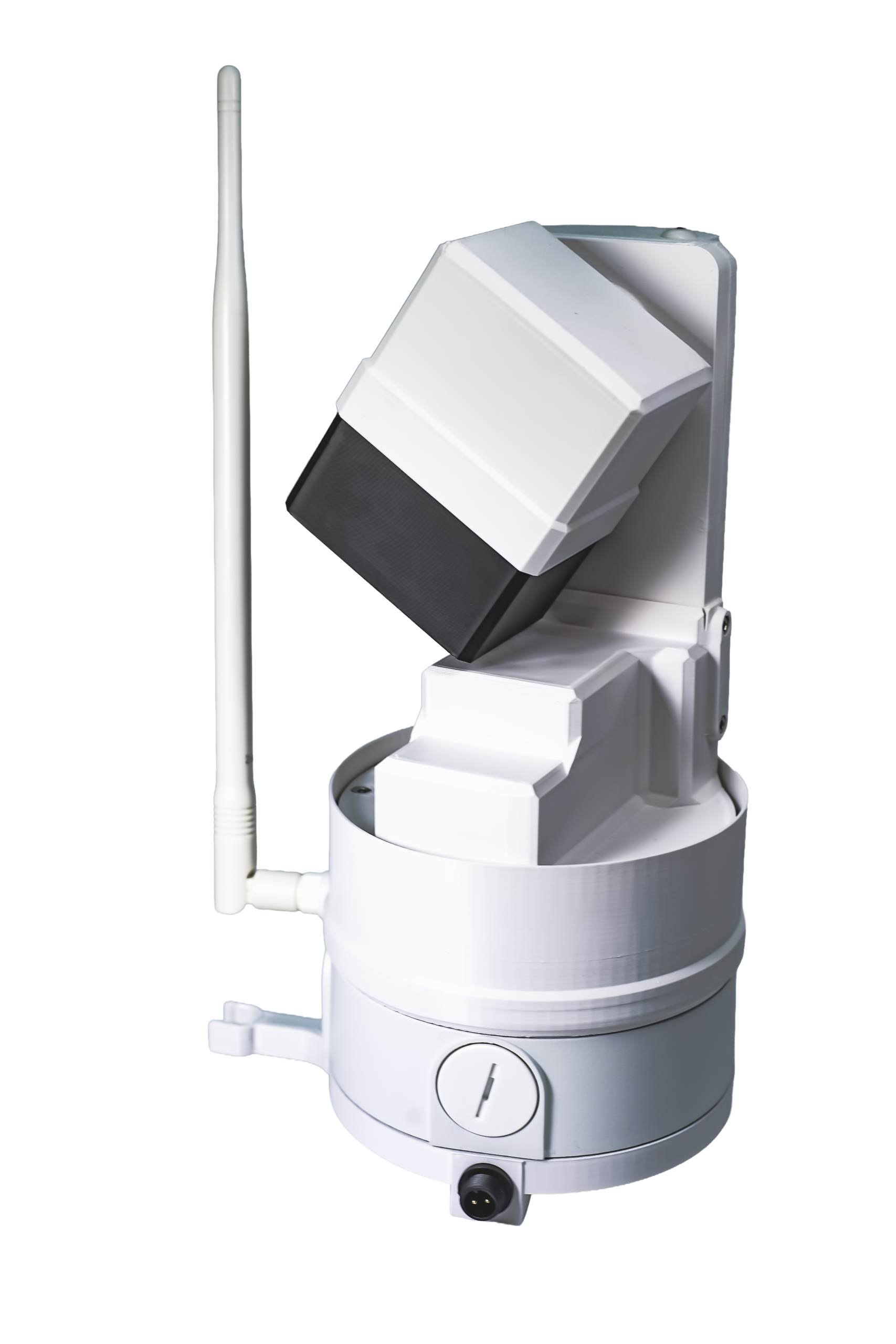
EOS2 LiDAR Scanner

$2,750.00

LiDAR scanner for use with the Hyperion volume scanning system.

EOS2 LiDAR Scanner

Customer Reviews

Frequently Asked Questions

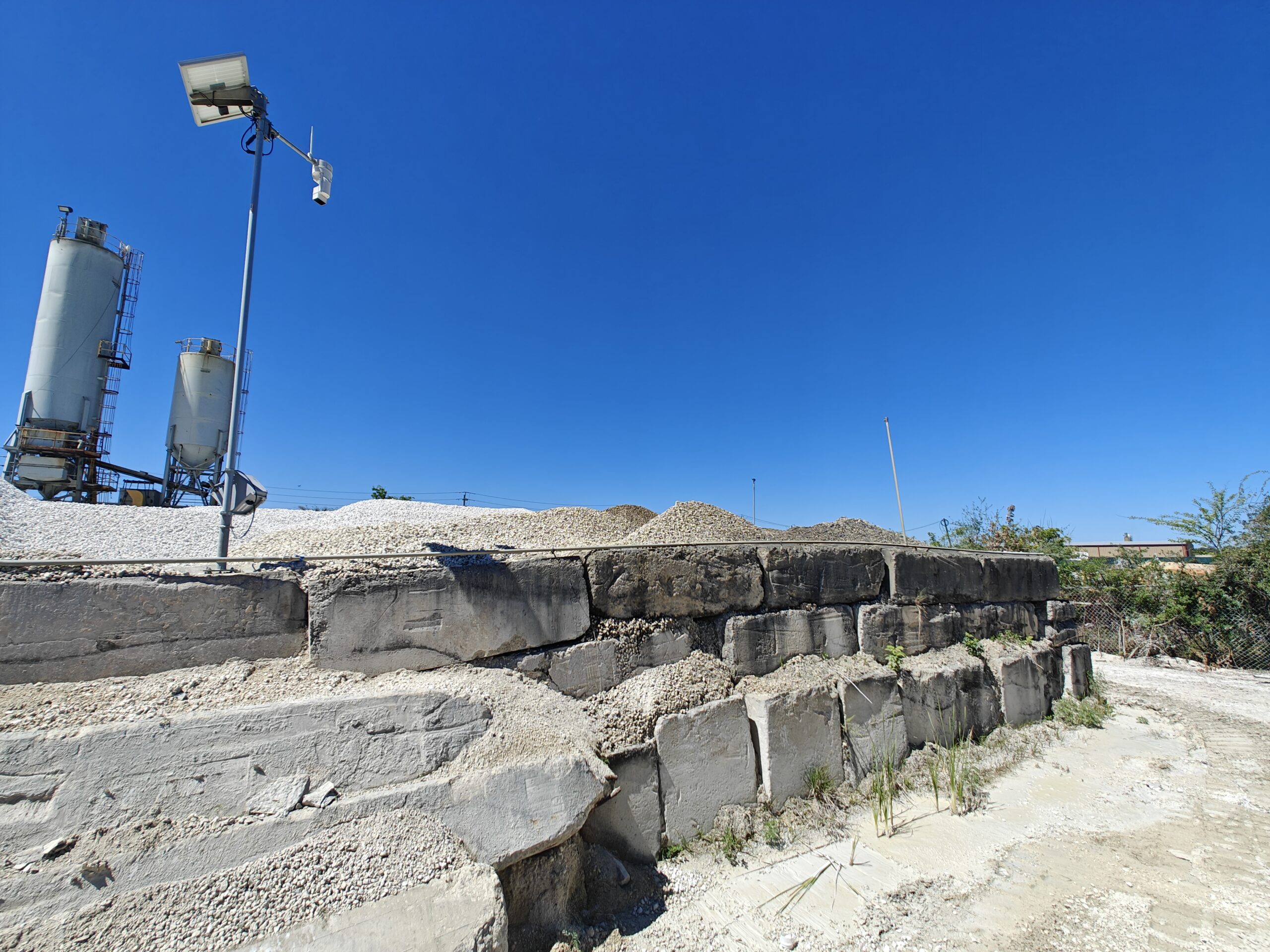
The EOS is a next-generation spherical LiDAR sensor engineered for long-range 3D mapping and real-time perception. Its primary goal is to provide a powerful, robust 3D data capture solution at an affordable price point, breaking the barrier of traditionally high-cost equipment.

The sensor features a full 360° x 180° spherical field of view, eliminating blind spots. It has a per-scanner range of 50–150 feet (approx. 15-45 meters), 0.25° angular accuracy, and 1% range-finger accuracy. It is designed for rugged outdoor use with an IP54 rating (dust-proof and protected against water splashes) and communicates via 2.4 GHz WiFi and Bluetooth.

The sensor transforms physical environments into high-density 3D point clouds. This data creates a high-fidelity “digital twin” of the scanned area, enabling precise measurements, change detection, volume analysis, and complete spatial intelligence.

The sensor is versatile and applied across multiple sectors, including:

  • Construction & Mining: For calculating stockpile volumes and tracking earthworks (cut and fill).

  • Surveying & Mapping: To generate high-accuracy Digital Elevation Models (DEMs) and topographic maps, even under dense vegetation.

  • Forestry: To penetrate forest canopies, measure tree height, estimate timber volume, and model wildfire risk.

  • Infrastructure: For mapping utility corridors (power lines, pipelines) and detecting vegetation encroachment.

  • Precision Agriculture: To measure crop height and density, enabling optimized application of water and fertilizer.

The key advantage is its excellent vegetation penetration. As an active sensor (it emits laser pulses), it can “see” through tree canopies to map the true ground, which photogrammetry (a passive sensor using ambient light) cannot do. Furthermore, EOS LiDAR provides higher vertical accuracy (typically < 3cm) and can operate 24/7 (day or night).

The sensor features a full 360° x 180° spherical field of view, eliminating blind spots. It has a per-scanner range of 50–150 feet (approx. 15-45 meters), 0.25° angular accuracy, and 1% range-finger accuracy. It is designed for rugged outdoor use with an IP54 rating (dust-proof and protected against water splashes) and communicates via 2.4 GHz WiFi and Bluetooth.

Yes. While a single scanner has a defined range (e.g., 50-150 ft), multiple units can be installed. The point clouds from several sensors can be “stitched” or merged (for example, using the Hyperion software) to create a single, seamless 3D model with unlimited coverage.

No, it is not strictly required. The EOS sensor can operate locally using its companion application when connected directly via WiFi or Bluetooth. However, an internet connection is recommended for remote data access, receiving alerts, or integrating with cloud-based tools like Hyperion.